

Pick a tomato while it is still blushing and you get a supermarket tomato grown at home. Leave a zucchini on the vine through a hot weekend and you get something closer to a canoe paddle than a dinner. The window between unripe potential and overripe regret is narrower than most gardeners expect — often a matter of two or three days — and it shifts with the weather rather than the calendar.
The good news is that nearly every vegetable tells you plainly when it is ready. You just have to know which signal to watch: a change in skin, a sound when you knock on it, the way a stem resists or yields under your thumb. What follows is a working checklist for fifteen everyday crops — what to look for, how to cut so the plant keeps producing, and how to store what you pick.
Three habits that decide quality before you pick
Timing matters, but the conditions around it matter almost as much. Pick in the morning, once the dew has dried but before the sun has warmed the plants. Tissue is firm, water pressure inside the cells is high, and sugars are at their peak. A basket of beans gathered at eight in the morning will still snap at lunchtime; the same beans picked at four in the afternoon will be limp and hollow-tasting.
Carry a sharp tool. Fingernails and twisting motions tear stems, and a torn stem is an open door for rot. Bypass pruners or a small sharp knife do the job in one clean cut, and a clean cut heals faster on the plant you are trying to keep productive.
Finally, harvest smaller rather than larger. Almost every vegetable on this list is sweeter, tenderer and more aromatic at the young end of its range. Oversized produce is impressive in a photograph and disappointing on a plate.
Salad and greens: lettuce, spinach, kale
Lettuce. Heads are ready when they feel firm but not hard, and outer leaves are full-sized. For loose-leaf types, cut the outer leaves two to three centimetres above the base and the plant will push a second and third flush. When a central stem starts to shoot upward and the leaves turn glossy and bitter, the plant is bolting — pick the whole head that day, because it will not improve.
Spinach. Cut outer leaves at about eight to ten centimetres long and leave the crown to regrow. Size is a poor guide here; a small summer leaf can already be tough and bitter, while a cool-autumn leaf twice the size stays sweet. If the plant stretches upward, harvest everything at once and cook it.
Kale. Work from the bottom of the stem upward, taking two or three outer leaves per plant and leaving at least six in the centre. A light frost converts some of the starches to sugar, so a late-autumn picking is often the best-tasting one of the year. Old, leathery leaves at the very bottom belong in the compost, not the kitchen.
Roots and bulbs: carrots, beets, radishes, onions, garlic
Carrots. Judge by the shoulder, not by the foliage. Brush back the soil at the base of the stem; when the crown is a good two centimetres across for maincrop varieties, the root is ready. Watering the row the evening before you dig loosens the soil and prevents snapped roots. Fork them up rather than pulling.
Beetroots. Golf-ball to tennis-ball size is the sweet spot. Beyond that they turn woody and earthy in a way that no amount of roasting repairs. Twist the tops off about two centimetres above the root before storing; leaving them on drains moisture from the bulb.
Radishes. Check daily in warm weather. Most varieties are ready three to four weeks from sowing, and a radish left a week too long goes pithy and hot. Pull one as a test rather than guessing.
Onions. The signal is a collapse: when a good share of the tops flop over on their own, stop watering and let them finish. Lift them with a fork and cure them in dry, airy shade until the necks are papery and the roots have dried to stubs.
Garlic. Dig when the lower three or four leaves have browned but the upper leaves are still green. Wait for a fully brown plant and the bulbs will have begun to split apart, which shortens their storage life considerably. Never pull garlic — the stem slips out of the wrapper and leaves the bulb behind.
Fruiting crops: tomatoes, peppers, cucumbers, zucchini
Tomatoes. Colour break is the first sign, full colour plus a faint scent at the stem end and a slight give under the thumb is the second. Fruit picked at pink will ripen on a windowsill at the end of the season, but a tomato ripened on the vine and eaten the same day is a different food entirely. Keep them out of the refrigerator; cold destroys the enzymes responsible for aroma.
Peppers. Sweet peppers can be taken green, but flavour and colour both deepen in the two or three weeks it takes to turn red, orange or yellow. Cut with a short stub of stem attached — a torn cap bruises and starts to soften within hours.
Cucumbers. Aim for fifteen centimetres or so, and look under the leaves every second day; fruit hides, then suddenly yellows and turns seedy. Cut rather than twist, and the vine will keep setting flowers.
Zucchini. Twelve to fifteen centimetres, checked daily in July. A marrow hidden under a leaf will still be edible if you scoop the seeds, but it will never taste as good as the one you caught in time. Leave a short stem on the cut end.
Pods and brassicas: peas, beans, broccoli
Peas. Pods should be full and glossy but not yet lumpy with oversized seeds. Pick in the cool part of the day and eat or chill them fast — the sugar in peas starts converting to starch within a few hours of picking. Snow and snap types are best at the flat, tender stage.
Green beans. Snap a test pod in half: if it breaks cleanly and the seeds are still small inside, it is time. Pods with visibly bulging seeds are already starchy. Pick every two to three days during a flush, or the plant will stop flowering.
Broccoli. Cut the central head while the buds are tight and dark green, well before any yellow shows. Take fifteen centimetres or so of stem, cutting on a slant, and the plant will usually send several smaller side shoots for a second and third harvest.
Storage that keeps the flavour you grew
Different crops want different conditions, and getting this right buys you days or weeks.
- Leafy greens: wrap loosely in a damp cloth or a perforated bag, keep cold, and do not wash until you are ready to use them.
- Roots: remove the tops, then store cool and humid — a crate of slightly damp sand will hold carrots and beets for months.
- Onions and garlic: dry, dark and airy, never in a plastic bag. A net or a braid lets air circulate.
- Tomatoes and peppers: room temperature, out of direct sun, single layer if possible. Refrigerate only cut pieces.
- Cucumbers and zucchini: cool but not ice-cold, and use within a few days — they bruise easily.
- Peas, beans and broccoli: refrigerate immediately, or blanch for two minutes and freeze to keep them from turning dull.
A ten-minute walk that does most of the work
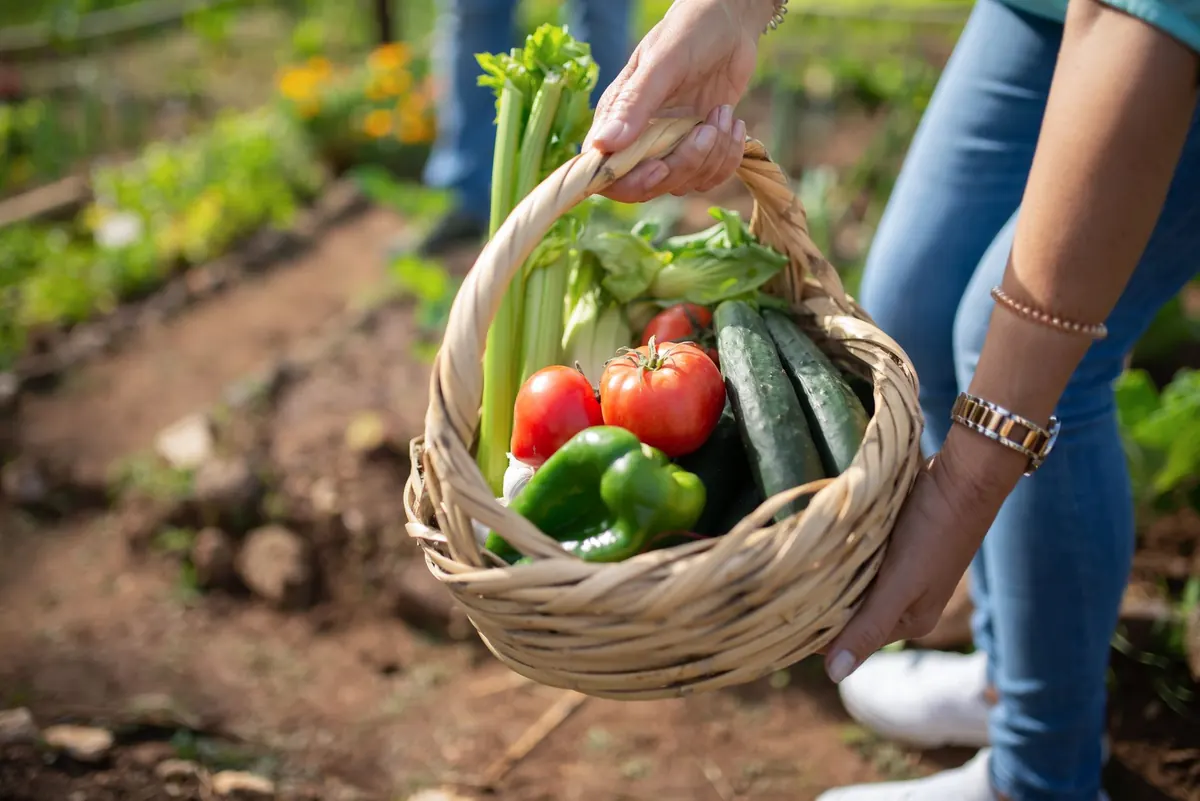
Once the season is in full swing, the most useful tool in the garden is a basket and a short daily circuit. Walk the rows in the morning with pruners in hand, picking anything that is ready rather than waiting for a big harvest day. Small, frequent pickings keep plants flowering, stop fruit from turning overripe on the vine, and put dinner on the table at its best. If you only remember one rule from this list, make it this one: pick a little, pick often, and pick early in the day.
Photo: Kampus Production / Pexels
Related posts
More stories you’ll love reading